


Peaks unpacked: Why the traditional peak selling season is shifting in the luxury sector


Every new year the UK travel trade braces itself for a surge in bookings. Historically running between January and March, the peak selling season – or ‘peaks’ – sees tour operators and travel suppliers launch a range of campaigns and exclusive offers to help agents book their clients’ next trips.
Naturally, the noise has always been quieter in the luxury sector. Agents deal in higher value and lower volume, so there’s less of a frantic rush to get bookings over the line – although there’s still a clear opportunity to secure strong early-year sales.
In recent years, however, the sector has seen a shift, with agents and operators reporting a rise in unpredictable booking patterns and habits. The result is a peaks season that still plays an important role for the luxury travel trade, but one that is increasingly becoming far less decisive than it once was.
Agent insight
For some businesses, January remains a critical month. Homeworking agency network Designer Travel takes 22% of its entire business for the year during January, while other agencies consistently report year-on-year increases in sales. Marlborough-based agency Travel by Hannah was up 45% this January compared with 2025, while Poole-based Select World Travel hit £712,000 in revenue in the first four weeks of 2026 alone.
For other agents, the traditional peak booking season is simply just another period in the calendar.
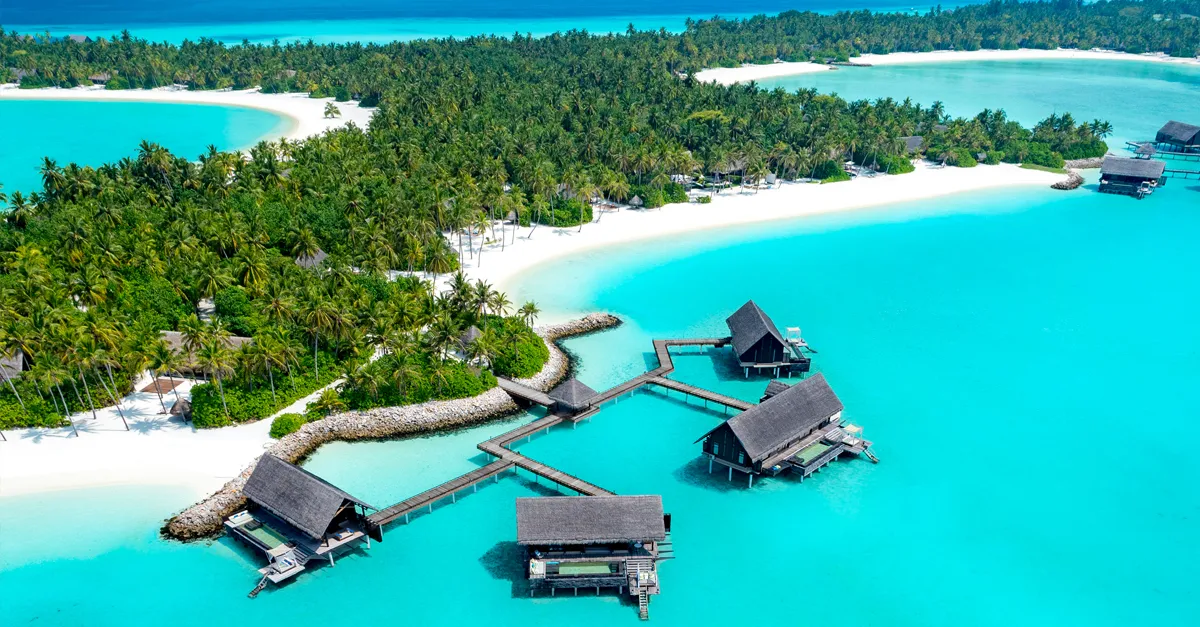
“My clients don’t book in January because a lot of them are away,” says Emma Frearson, founder of Luxury Travel By Emma. “The weather is bad in the UK, so [many of them] are in the Caribbean or the Maldives.”
Helen Thomas, founder of Luxury Travel Studio, agrees: “I don’t worry if I don’t have a busy peaks, as I know most of my clients rebook every year.”
Suffolk-based agency Travlux saw a £161,000 booking land on New Year’s Day, but founder Ross Johnson says he “doesn’t buy into the drama of peaks”.
“I used to put a lot of pressure on how we’re tracking, but there’s only so many factors we can control,” he says. “When you’re dealing with higher values, one booking can massively change the trajectory of any month – and it’s hard to predict when they will come in.”
Shifting sands
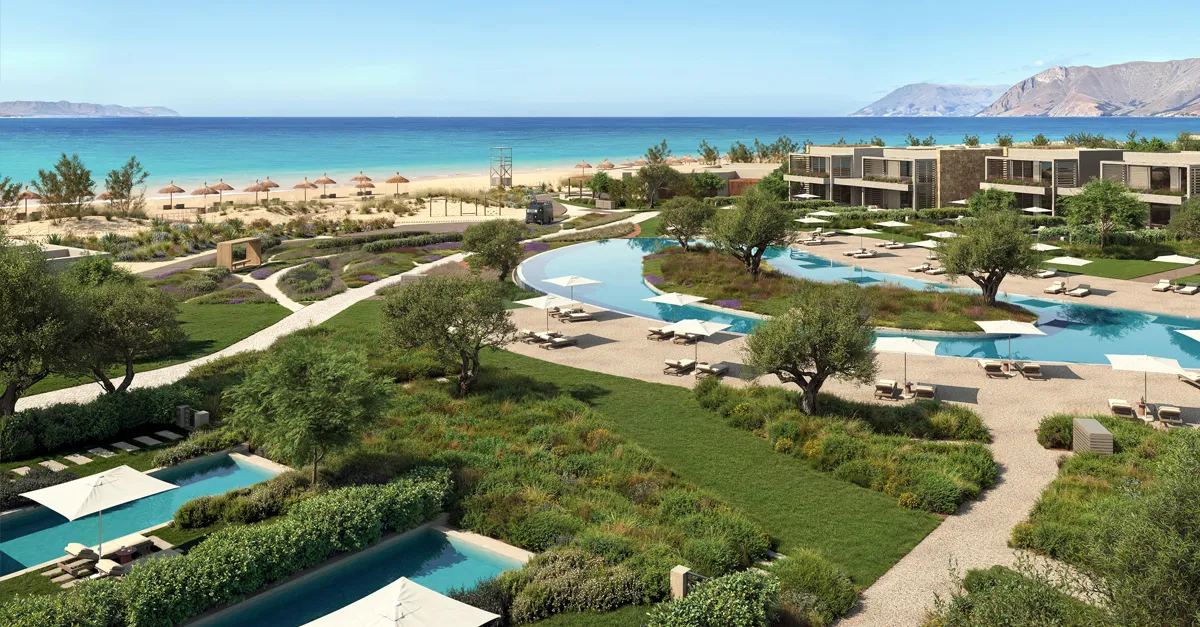
Operators and suppliers are also noticing a change. Sani/Ikos Group aims to be 70% sold across its portfolio by the end of March, but regional director of sales and marketing Lee Barker says the company “no longer expects a huge booking month” in January.
“Once you start pushing into the upper echelons of price point and room type, peaks becomes less and less relevant,” he says. “[Affluent consumers are] booking two to three trips annually, including a February ski trip or Easter getaway, so their summer holidays – when they would visit Sani or Ikos – are not high on the agenda during peaks.”
Craig Jeffs, regional director of sales and marketing at Kerzner International, agrees the January rush is “no longer a thing”, but says the first three months of the year are “super important, as it allows us to build a foundation”, with the “biggest surge” of bookings coming from the group’s “mainstream luxury client base” in February and March.
With a third of its annual revenue arriving in the first quarter, peaks also remains a “crucial” time for Carrier to “maximise booking demand and capture high-intent traffic”, according to head of marketing Byanne Akbor.
However, the unpredictable nature of high-value bookings means trends can often be skewed. “We can’t forecast our ultra-high value bookings; sometimes when they come in, that becomes our peak month,” she says.
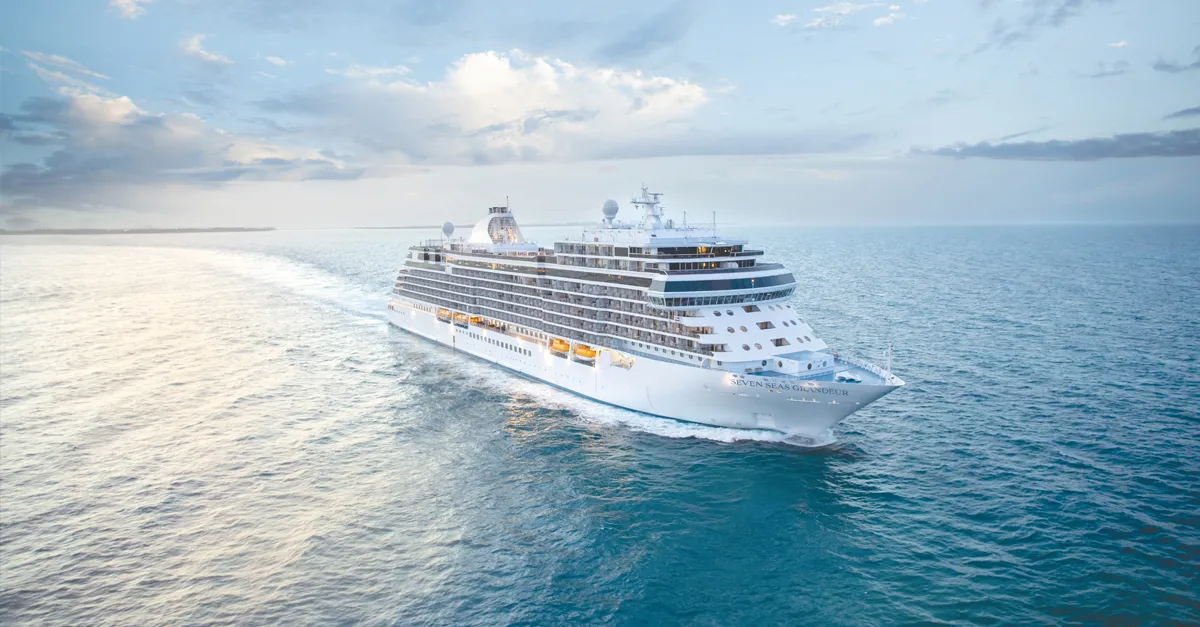
In cruise, as an increasing number of lines plan further out, with programmes on sale two or three years in advance, less pressure is placed on in-year sales. Regent Seven Seas Cruises saw a 20% year-on-year rise in trading in January, but Paul Beale, vice-president of sales for the UK and Ireland at Regent Seven Seas Cruises and sister line Oceania Cruises, admits “booking patterns are shifting, with more demand being pulled into the preceding quarter”.
“I would predict that each peaks period will push further out in the coming years,” he says. “As luxury cruise lines approach the end of the preceding year in better positions, there will be less ‘in year’ business to sell. This is something we’re already seeing: luxury lines will be selling less ‘lates’ in peak booking season and more forward sailings.”
Offers and opportunity
Though change is afoot, most agents and suppliers agree peaks still has its benefits. Offers and discounts – though less important to wealthy travellers – can still be well received, and the period serves as a key time of year to plan ahead for complex itineraries and secure rooms and seats during busy travel periods.
“There’s no urgency from luxury clients – they will book when they’re ready – [but] we can absolutely use an offer to our advantage to get a sale over the line more quickly,” says Designer Travel’s managing director Amanda Matthews.
Travel by Hannah founder Hannah Porter agrees: “Why would we not encourage clients to book earlier if they’re getting better value for money? It’s our responsibility as agents to let people make that informed decision.”
Peaks promotions can also be a potential avenue to discover new clients, with January becoming the biggest month for new business for luxury operator Caribtours.
“When the whole industry is creating a buzz around peaks, it creates an element of ‘what am I missing out on?’,” says Jeffs.
“For those clients who don’t have a repeat pattern or are looking for something new, peaks is more exciting.”
The start of the year may no longer be a defining period for some, but it still provides a key opportunity to inspire, convert interest and drive new business.
“Peaks is never going to disappear, but it’s going to continue to morph into something else,” says Jeffs. It’s up to agents how they use that to their advantage.
What's trending

Many industry players have reported a rise in last-minute bookings during peaks, underscoring the increasingly fluid nature of the luxury market.
“Whereas previously clients would book big trips a year in advance, we’re now booking tailormade trips such as the Galápagos, Japan and Costa Rica for departures in just a few months,” says Luxury Travel Studio’s Helen Thomas.
Hannah Vincent of Select World Travel agrees: “We’ve seen an increase in last-minute ski trips, Maldives holidays and city breaks from regular clients who book three to five trips per year.”
The pattern is also evident at Caribtours. “We did more late business in January than we’ve ever done, including many departing in as little as two to four weeks,” says chief executive Paul Cleary.
Caribtours also reported “huge demand” for Europe in the summer holidays, accounting for about 85% of bookings in February. Cleary says this reflects a broader shift in behaviour among high-end travellers, who are “spending more on travel and taking more trips”.
Related to this story

How Sri Lanka is bouncing back

In Focus: Cruising into the future





Jacobs Media is a company registered in England and Wales, company number 08713328. 3rd Floor, 52 Grosvenor Gardens, London SW1W 0AU.
© 2025 Jacobs Media

