


Untapped serenity: Why the Center of Portugal should not be overlooked


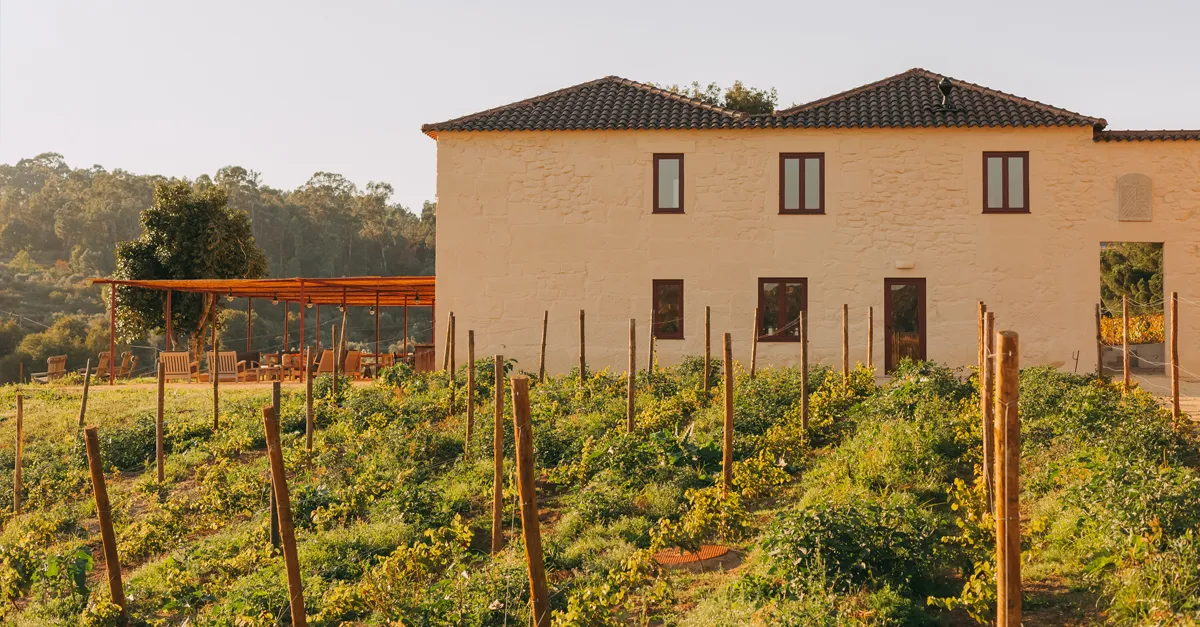
A smile creeps across my face as we trundle past row upon row of sun-soaked vines. The back of a gleaming, cherry-red truck turns out to be the best vantage point for appreciating the beauty of Portugal’s wine country. I am enchanted by the undulating vineyard, with leaves glowing emerald in the midday sun punctuated by shimmering olive trees and ancient Roman ruins. We hop out and are welcomed with the sweetness of the season’s final grapes, fresh from the vine, before the intoxicatingly earthy scent of scores of brimming barrels whets our appetite.
Casa Villae 1255 – a 19-person, exclusive-use villa – is housed in the Quinta da Taboadella winery in the Center of Portugal. The estate can produce almost 300,000 bottles a year, from fresh yet complex whites to deep and smoky reds. After a tour, we step into the dappled sunlight of the terrace and are handed ice-cold glasses of rosé while we admire the swaying vines. As Portuguese folk music and laughter float gently through the air, I decide that central Portugal more than compares to the beauty of those quintessential European wine regions we know and love.
A path less trodden
Quinta da Taboadella is one of dozens of wineries sprawled across the 50,000 or so acres of vineyard in the Dão region, where Portugal’s oldest non-fortified wine is made. Known as the ‘Burgundy of the South’, Dão’s reds are renowned for full-bodied yet refined profiles that rival some of France’s finest. The wineries themselves are idyllic spots for leisurely strolls and knowledgeable tastings. Clients will love the tranquil and personable feel of this region while it remains less travelled, so advise them to explore now before it catches on.
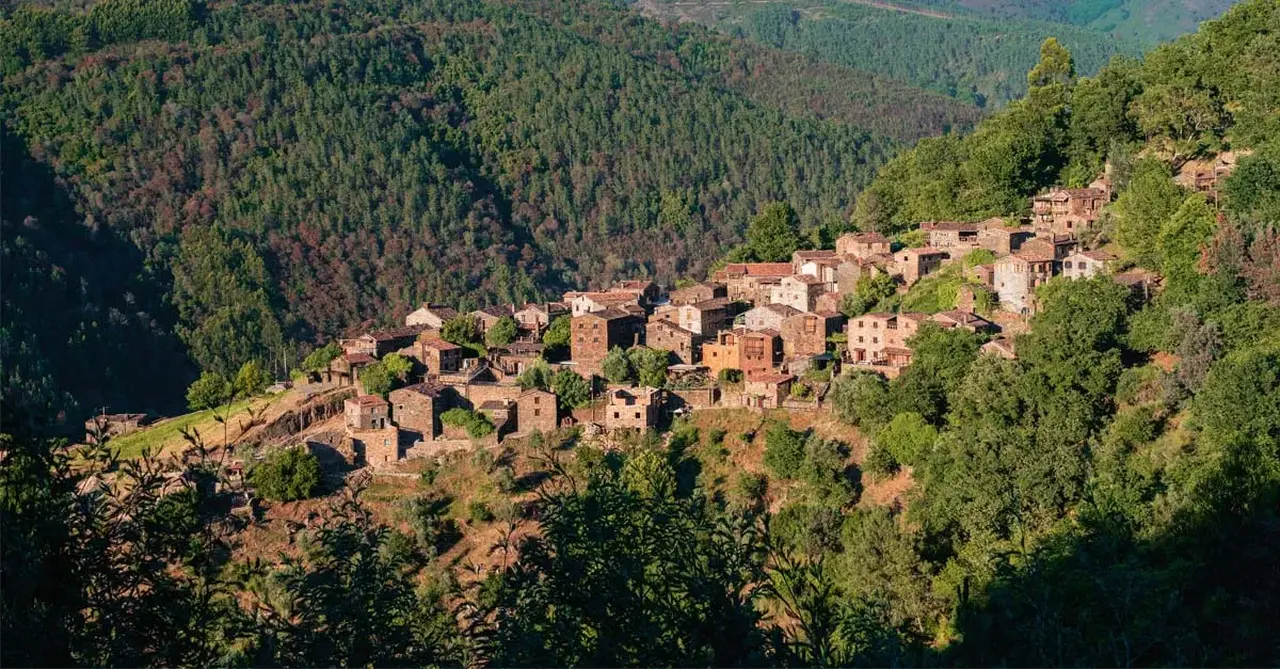
But this lesser-known region of Portugal – which stretches from Porto to Lisbon and between the Atlantic coast and Spanish border – is about far more than just wine. It is punctuated by mountain ranges, the highest and most famous being Serra da Estrela in the heart of Dão, which begs to be explored via hiking trails and daredevil cycling routes. While traversing the deep valleys and glacial lakes, nature lovers can visit the friendly mountain villages dotted among the peaks, stopping to chat with locals and savour regional delicacies. These include 27 schist (slate) villages, protected for their traditional buildings and craftsmanship, cultural heritage and slow-paced way of life. Far from civilisation, these villages are ideal for astro-tourism enthusiasts seeking stunning stargazing experiences.
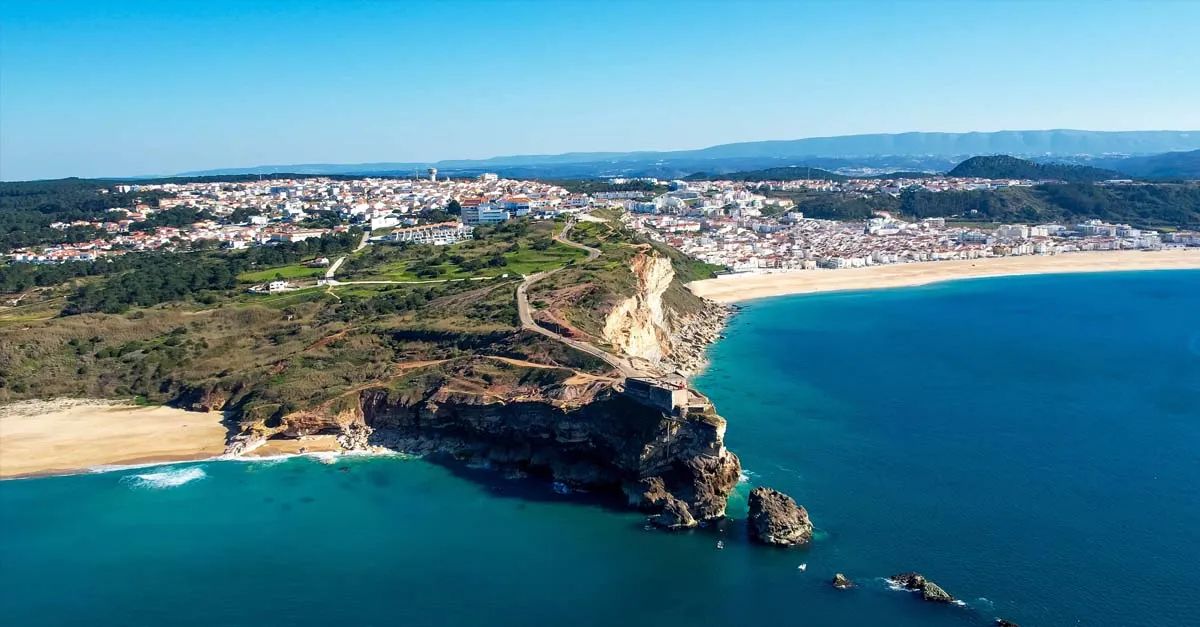
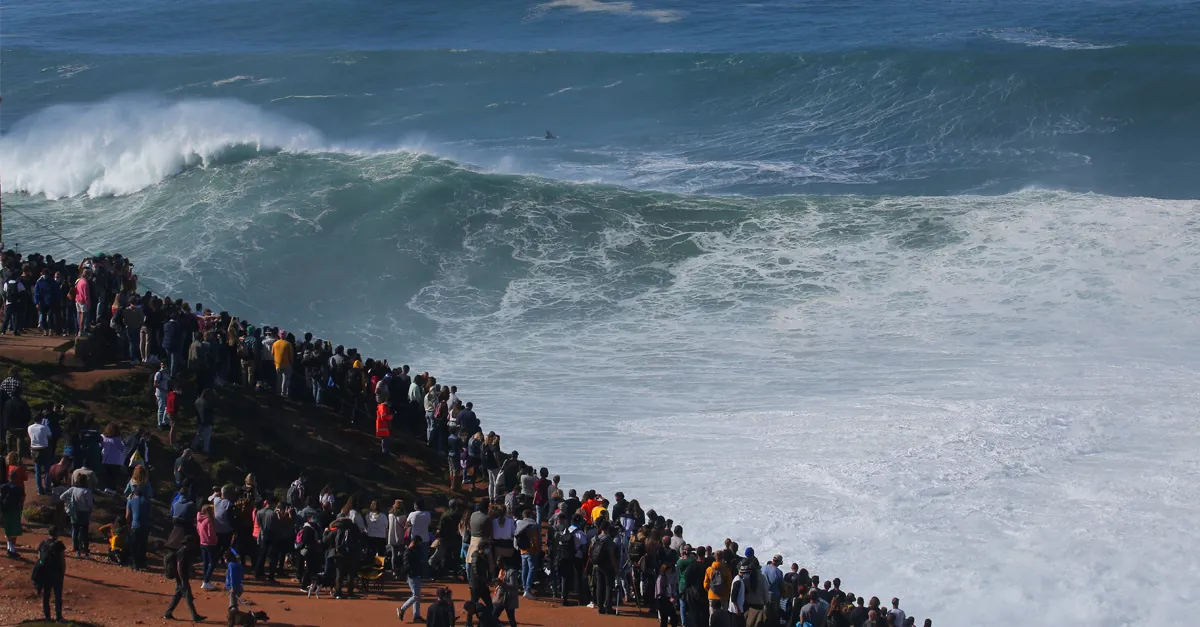
With a 173-mile coastline bordering the Atlantic, central Portugal also boasts some of the world’s most incredible surf. Watersports fanatics from across the globe flock to the town of Nazaré, where an underwater canyon funnels water into waves towering as high as 30 metres in the October to February peak season. For calmer seascapes, lagoons such as Lagoa de Óbidos and Ria de Aveiro are superb for leisurely boat tours, especially for spotting myriad bird species including migrating flamingos.
With the drive between Lisbon and Porto lasting just over three hours, journeys between central Portugal’s vineyards, historical sites, traditional villages, premium golf courses and seaside spots typically take no more than a couple of hours – the perfect proximity for a relaxed yet varied sojourn.
Much of the Center of Portugal is carpeted with vines and fruit trees. As we whip past miles of them under unrelentingly blue skies, it feels as if we’ve stepped into a postcard. Quaint towns sit among the trees, with signature whitewashed walls, red-tiled roofs and intricate stonemasonry complementing the scenery.
One such destination is Santar, home to the palatial Valverde Santar Hotel & Spa. Once a royal residence, this 21-key Relais & Châteaux hotel now treats guests to sumptuous yet homely luxury. Exquisitely appointed rooms, as well as a restaurant, spa and pool, sit in meticulously maintained gardens, with loungers looking out over the undulating landscape. Guests can explore Santar Garden Village – a project where the walls between private gardens across the town have been removed, and visitors can roam between them as they please. I could have spent hours strolling among the topiary and rose bushes with aptly named resident pup Merlot, admiring the pops of instantly recognisable blue and white tiling.
Rolling hills
Nearby Viseu is another charming town well worth a visit. Warm yellow, pink and orange walls line the streets, with pretty, wrought-iron balconies and patterned tiles at every turn. Culture buffs can visit the installations and botanical gardens of Quinta da Cruz Centre for Contemporary Art and glimpse treasured religious artefacts at the Sacred Art Museum of Viseu Cathedral. We enjoy a personalised tour of the Grão Vasco National Museum, dedicated to one of the country’s Renaissance masters; it’s impossible not to be awestruck by the intricate 14th-century altar pieces, dripping in gold. Perhaps the most alluring parts of the town, however, are the narrow streets and lazy squares, abundant with spots for a coffee and deliciously flaky pastel de nata in the balmy sunshine.
Foodies will not want to miss Mesa de Lemos – the Center of Portugal’s only Michelin-starred restaurant – up in the hills just half an hour from Santar. The strikingly sleek building cuts into the rocky hillside like an art installation. Even though the restaurant seats just 25, the interior is huge, with floor-to-ceiling windows, modern art features and neutral furnishings set around generously spaced tables. The menu is seasonal, with six to eight dishes (or ‘surprises’); unlike some other fine-dining experiences, don’t expect to leave hungry – we enjoy about 10 amuse-bouches before our courses even begin. Highlights include spicy cauliflower tartlets, glazed eel, slow-cooked goatling and refreshingly sweet persimmon ice cream with red chilli.
Thanks to the country’s extensive coastline, fish and seafood here are exceptional. The traditional delicacy of salted cod may not suit everyone’s palate, but eateries up and down the coast take full advantage of the produce at their fingertips – fresh octopus croquettes and delicate turbot stew spring to mind.
Adventure playground
The coast is also a hive of high-octane maritime adventure, especially in the surf town of Nazaré. While the town itself could not be more peaceful, with sun-soaked alleyways and women drying fish on the beach, imposing waves thunder across the sands and crash against the cliffs. Our guide José is keen for us to experience the spectacle up close, and as we wander along the jetty we find what can only be described as a dinghy waiting to take us out to sea. While a strong stomach is needed for the vigorous swell, the experience of being thrown between vast waves is truly thrilling – rollercoaster lovers are in for a treat. As we rise and plummet, we watch surfers brave the dramatic breakers and breathe a sigh of relief we don’t have to join them.
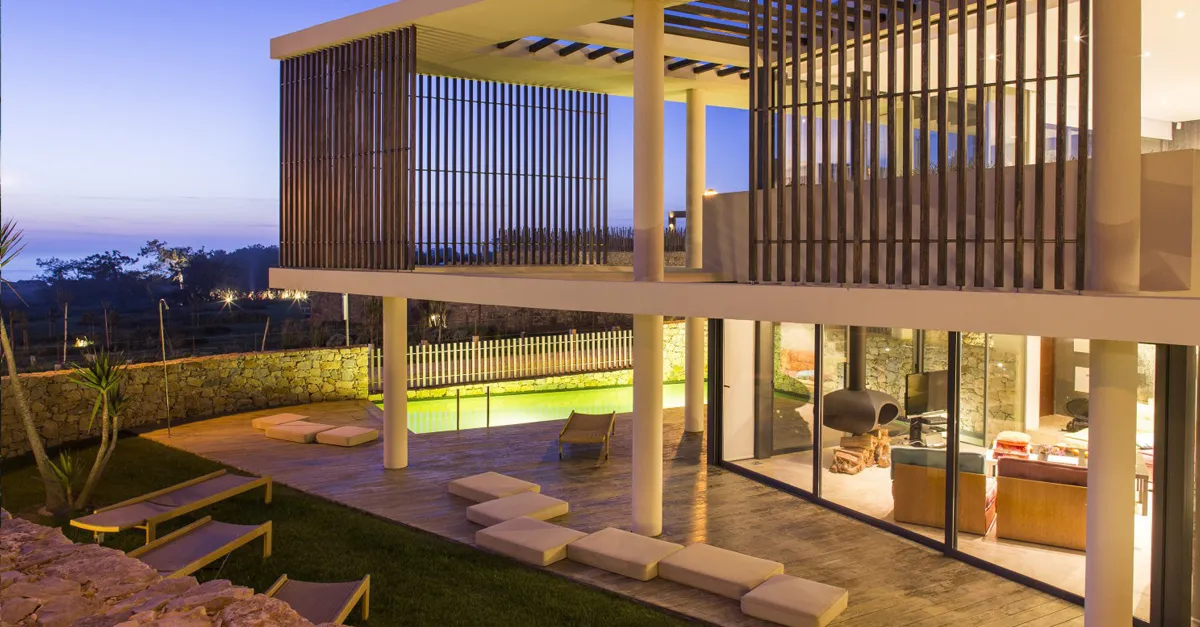
But the coastline is not only about raising heart rates – the Portuguese philosophy of slowing down is ever-present, as at Areias do Seixo in Santa Cruz. This 14-room, 25-villa property is set within windswept dunes, and has surfing, cycling and hiking activities aplenty, but the emphasis on tranquillity is clear through calming private pools, spiritual spa treatments and a tented yoga studio with free daily sessions. The epitome of barefoot luxury, this is a dream spot to reconnect with the wild. Sitting around the firepit with yet another glass of local wine, listening to the ebb and flow of the waves, I feel a swell of excitement at the future of central Portuguese travel – a hidden gem destined to shine.
Book it: Peak season room rates start at €550 per night at Areias do Seixo in Santa Cruz and €470 per night at Valverde Santar Hotel & Spa in Santar, including breakfast.
Related to this story





Jacobs Media is a company registered in England and Wales, company number 08713328. 3rd Floor, 52 Grosvenor Gardens, London SW1W 0AU.
© 2025 Jacobs Media

